Why every AI answer needs a source
A language model writes fluent sentences even when the facts behind them are missing. With document, version and page for every answer, your team can check in a few clicks whether it is right.
Why a source matters
An answer without a source leaves you two options: trust it, or research it yourself. Both cost something. In the first case you carry the risk of an error, in the second you spend the time the AI was meant to save.
A source changes the work. You read the answer, open the passage in the original and see whether the two match. That takes seconds and works for everyone on the team, with no prior knowledge of AI.
What souveraen.ai shows with every answer
Every answer names document, version and page. One click opens the passage in the original. It also shows whether the answer comes from the current version or from a draft.
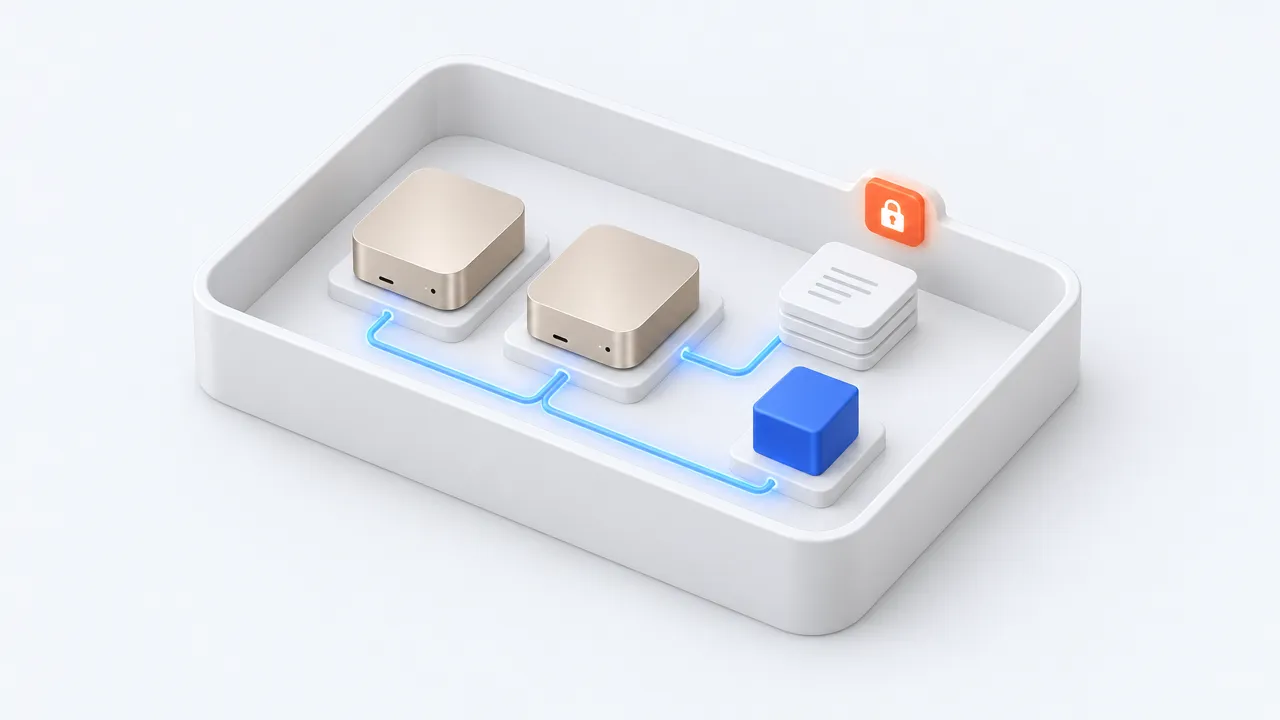
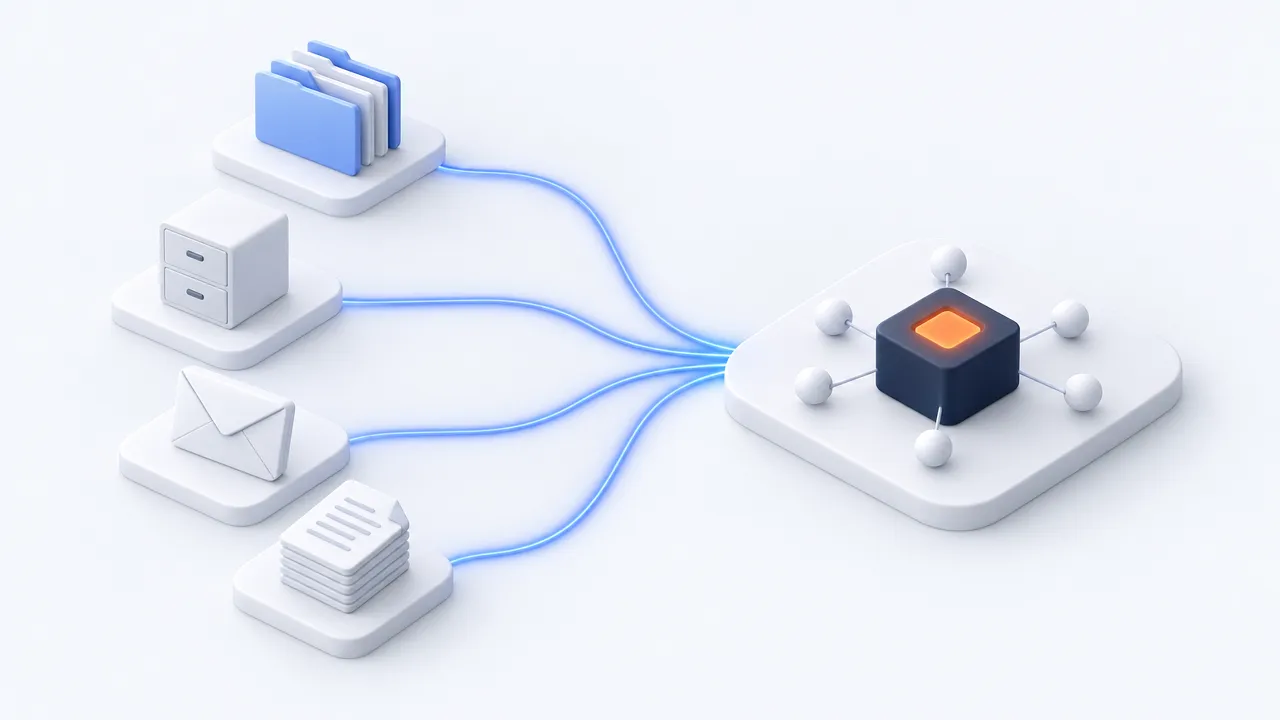
The search covers the sources you have connected, with the permissions that already apply there. Restricted content appears neither in the answer nor as a source. Purchasing and sales can ask the same question and get answers from the folders they may open in the original.
How to check an answer
These four steps cover most cases:
- Open the passage named and read the paragraphs before and after it.
- Check the version and date of the document. A draft or an old price list can say something different from the current version.
- If the answer names two sources that contradict each other, ask the specialist department which one applies.
- If souveraen.ai says the documents hold no answer, ask a more precise question or file the missing document.
How clarified questions improve later answers
When two documents contradict each other, souveraen.ai asks the team. The answer becomes company knowledge only after a responsible person approves it, and it stays traceable with name and date. Nobody has to clarify the same question twice.
Index, knowledge graph and glossary grow along the way. The language model itself is not trained on your data.
What this means for agents
Agents work with the same sources and permissions as the person who gives them the task. Searching and reading run straight away. Sending, booking and changing wait until someone has checked the draft and its sources side by side and approved them.
So the source is the checkpoint for agents too: before you approve, you see which documents a draft relies on.